Disconnected by choice
Your guilt‑free guide to digital unplugging

Disconnected by choice
Your guilt‑free guide to digital unplugging

Disconnected by choice
Your guilt‑free guide to digital unplugging

Find your digital balance
Why intentional digital breaks are essential, and how to make it happen?
In a hyperconnected world, where our phones accompany us from the moment we wake up until we go to bed, voluntary disconnection can almost feel rebellious. Yet choosing to unplug, even just a little, is not a rejection of technology. It is an act of self-respect and self-loyalty. A way to reclaim your power and use your digital tools without letting them use you.
You may have noticed that your screen time is increasing and sometimes becomes impulsive despite your best intentions. In an environment where everything competes for your attention at all hours of the day, feeling the urge to take back control is not only legitimate, but often necessary for your wellbeing. It’s not about giving anything up, it’s about choosing more consciously the role that digital technology plays in your daily life.
This blog brings together essential and practical resources to help you define what healthy digital use means for you.
- It begins with a simple overview of why cultivating digital balance is beneficial, along with the key advantages associated with it.
- You’ll find a pathway that takes you from awareness to simple, concrete actions presented as a practical guide.
- It also includes a selection of articles, podcasts and books, both scientific and inspirational, to deepen your understanding, help you better grasp your relationship with screens, and adopt a more intentional approach.
- Finally, you’ll discover technology-free places for those who want to treat themselves to a moment in spaces without digital stimuli, conducive to inner calm.
Because this journey is deeply personal: everyone creates their own rhythm, their own formula, their own balance.

Why undertake this process?
At a glance: the harmful effects of excessive use
Physical
Excessive screen use creates physical tension: stiff neck, tired eyes, headaches and other discomforts. In the evening, exposure to blue light disrupts falling asleep and leads to poorer quality rest.
Mental
Information overload and constant interruptions fuel mental fatigue, reduce focus, and increase stress levels. The brain, constantly stimulated, has less space to rest and recover.
Human connection
Hyperconnection reduces the quality of our presence: we listen less, observe less, feel less. Shared moments become fragmented, and relationships suffer when the screen comes between us and others.
Unplug to live better
Beyond countering the harmful effects listed above, disconnection offers profound benefits for both body and mind. By choosing how much attention you give to screens, you also choose the power you grant them, or don’t. Your attention is a precious resource: what quality of attention do you want to offer yourself, your loved ones, your work?
Disconnecting becomes an act of presence. By putting notifications aside, you create more space to listen, connect, and fully experience the moment. What may seem at first like a restriction often becomes true freedom: a return to yourself, to what matters, and to a more human rhythm.
Continue reading to discover simple and practical steps to integrate this into your lifestyle.

A mindful, step-by-step guide to digital balance
1. Become aware of your current use
Before changing anything, give yourself a moment of mindful attention. For the next 24 to 48 hours, turn each glance at your phone into a small conscious pause: note the time, breathe, observe, without judgment.
Ask yourself gently:
- When I use my smartphone, is it with clear intention… or out of habit?
- Which notifications trigger a micro impulse?
- Which uses nourish me?
- Which ones scatter or drain me?
- Is it the famous FOMO? (Fear of missing out)
After these observations, and a bit of honesty with yourself, a clear pattern emerges. This first awareness becomes a valuable tool to rebuild a serene, more intentional relationship with technology, one choice at a time, with kindness.
🛈 The Screen Time tool can also give you a concrete overview: how many minutes or hours do you spend on each app? Multiply by 7, 30 or 365 to get a picture of your weekly, monthly or yearly use… and ask yourself if this truly reflects what you want to spend your time on it. Sometimes, a small adjustment is all it takes. Sometimes, you’ll stop straight away.
2. Identify which uses add true value
Once you’ve observed your habits, it’s time to discern what really deserves your time. Not to make you feel guilty, but to recognize what truly benefits your life.
Based on your observations, sort your digital uses into two categories:
- Those after which you feel more aligned, calmer, more fulfilled.
- Those that pull you in and leave you scattered or drained without you noticing.
Being able to tell what serves you and what doesn’t is the start of building your own inner compass.
3. Decide why you want to use your phone
Every change begins with a decision. Before adopting new digital habits, take a moment to consciously choose the reasons you want to use your phone: communication, photography, browsing, learning, work, or something else. Once you’ve chosen these functions, do they add real value to your life?
This clarity is essential for setting your own standards. Once you have defined your intentions, you can structure your use based on what genuinely supports your daily life, instead of letting automatic behavior decide for you.
These repeated decisions shape a calmer, more aligned, more intentional relationship with your phone or electronic device.
4. Set boundaries to make it a way of life
The idea is simple: make the apps and uses that support you obvious and easy to access, and those that distract you and pull you away from your goals less accessible.
Sort and organize your screens.
- Keep on your home screen the apps that genuinely contribute to your quality of life, only.
- Delete those that consume your time and energy without real added value.
- Move useful but secondary apps into folders, and log out after each use to create a slight intentional friction.
Give yourself simple, sustainable rules
- Establish phone-free zones (bedroom, meals, waiting lines, transportation, bathroom).
- Set specific start and end times for your daily usage.
- Limit phone use during time with friends.
- Replace texting with calls when possible.
Use the features that support you
- Screen time reports and limits to measure and frame your usage.
- Do not disturb mode to filter interruptions and protect your attention.
- Grayscale mode to reduce visual attraction.
- Use timers for social media sessions, not willpower.
These guidelines help you stay aligned with your intentions and shape a calmer, more intentional digital life.
🛈 Some groups of friends have even decided that when they go out to a restaurant, the first person to take out their phone has to pay for the drinks! It’s a fun way to break out of old habits.
5. Introduce soothing rituals during screen-free moments
These limits are easier to stick to when paired with rituals.
For example, slow mornings without phones for the first 30 minutes after waking up promote a gentle start to the day. In the evening, a one-hour screen-free ritual with dim lights, reading, journaling, restorative postures, silence or soft music, and a warm blanket creates a peaceful transition to sleep.
These simple practices invite you to slow down, breathe, and reclaim your attention, one small decision at a time.

Resource box
To deepen your reflection and support your progress, here is a selection of resources to explore digital disconnection from different perspectives.
🛈 Do you speak French? Switch the page to the other language to discover additional books and articles.
Articles and chronicles
- Design your digital diet, a resource from the Mental Health Commission of Canada, reminds us that adopting a “digital diet” means setting limits and habits that are tailored to your reality in order to enjoy the benefits of technology while preserving your attention, well-being, and presence in everyday life.
- Digital detox as a means to enhance eudaimonic well-being, The scientific article published by Frontiers.org reminds us that in the cacophony of our digital age, silence has become a rare resource. It suggests that disconnecting could be key to rediscovering our true identity and leading a more aligned, meaningful life.
- Blocking mobile internet on smartphones improves sustained attention, mental health, and subjective well-being, in this journal artical, PNAS Nexus presents experimental results indicating that blocking access to the internet on smartphones for two weeks can improve psychological well-being, increased life satisfaction and reduced stress, suggesting that reducing constant access can have measurable benefits.
Podcasts and books
 Signs That You May Need a Digital Detox is an episode of the Moments Podcast in which Lexi Hidalgo shares her observations on social media addiction, digital overload, and steps to help us break free.
 How to Rewire Your Brain and Break Your Phone Addiction in 5 Minutes a day with Overcome Digital Distraction, a podcast to reduce screen time, phone addiction, improve focus, healthy habits, and rewire your brain with Julianne August.
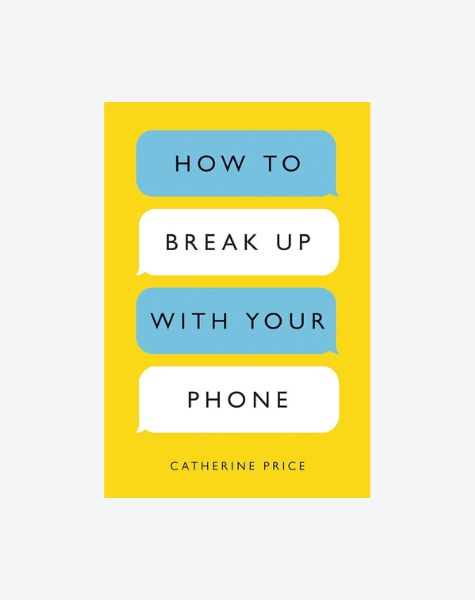 How to Break Up With Your Phone! written by Catherine Price, is scroll less and live more guide. Full of testimonials and concrete examples, this book helps you create healthier and freer digital habits.
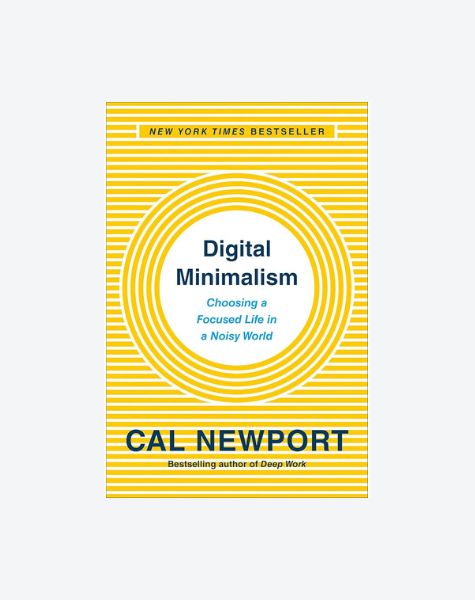 Digital Minimalism is a reference work for understanding how to reduce digital overload while preserving what is truly useful. Cal Newport proposes an intentional approach to promoting focus, well-being, and more authentic relationships.

Looking for screen‑free places?
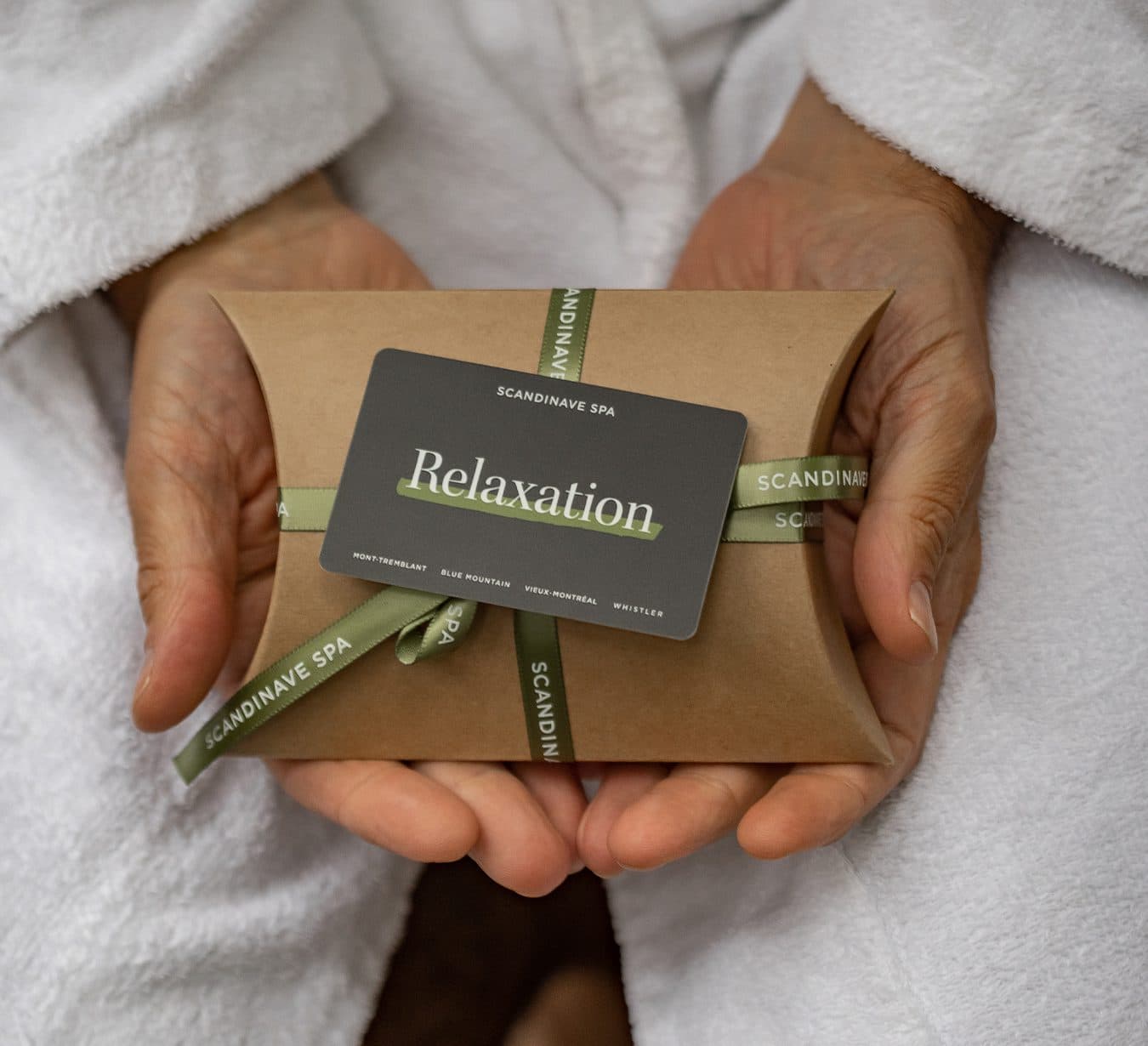
All Scandinave Spa destinations, Scandinave Spa Blue Mountain, Scandinave Spa Mont-Tremblant, Scandinave Spa Vieux-Montréal, and Scandinave Spa Whistler, are completely screen‑free. No phones or tablets are permitted once you enter the site. Here, digital disconnection is part of our DNA and lies at the heart of the relaxation experience. These are places where you can truly unwind, without worrying about being photographed or feeling tempted to check your device when you see others doing so.

The whole process, without guilt
In conclusion, remember that the goal of this transition to digital balance is to develop a digital lifestyle that serves you, aligns with who you are, without judgment. The aim is to create harmony between the tool and your values, a process that strengthens your capacity to be present and focused, fosters connection with nature and with others, and supports your overall quality of life. Whether you choose a gradual or a more radical change, adjust the challenge if needed instead of giving up.
Which tip resonated with you the most?
Start this way, mindfully, without guilt.
*This article is based on our knowledge, research and experience, and enriched by the articles, books and podcasts referenced above.
News and updates